

Helping Restaurants Be More Sustainable
Dining has evolved, and so have the standards of waste management. With a growing emphasis on environmental responsibility, restaurants need comprehensive recycling solutions. The desire to better manage by-products from our culinary delights, such as disposing of used cooking oil, is at the heart of this update.
How a kitchen handles used cooking oil
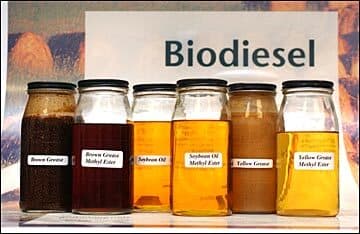
Restaurants produce two grease streams, and sustainability programs fail when they treat them as one. Fryer oil is used cooking oil. It belongs in a closed caddy or tank, picked up on a route, and sold as yellow grease. Interceptor waste is a water-and-fat mixture. It belongs on a pump-out manifest and becomes brown grease only after a plant recovers it. A kitchen that pours fryer oil into a floor sink fills the trap, ruins the oil's value, and sends grease toward the sewer.
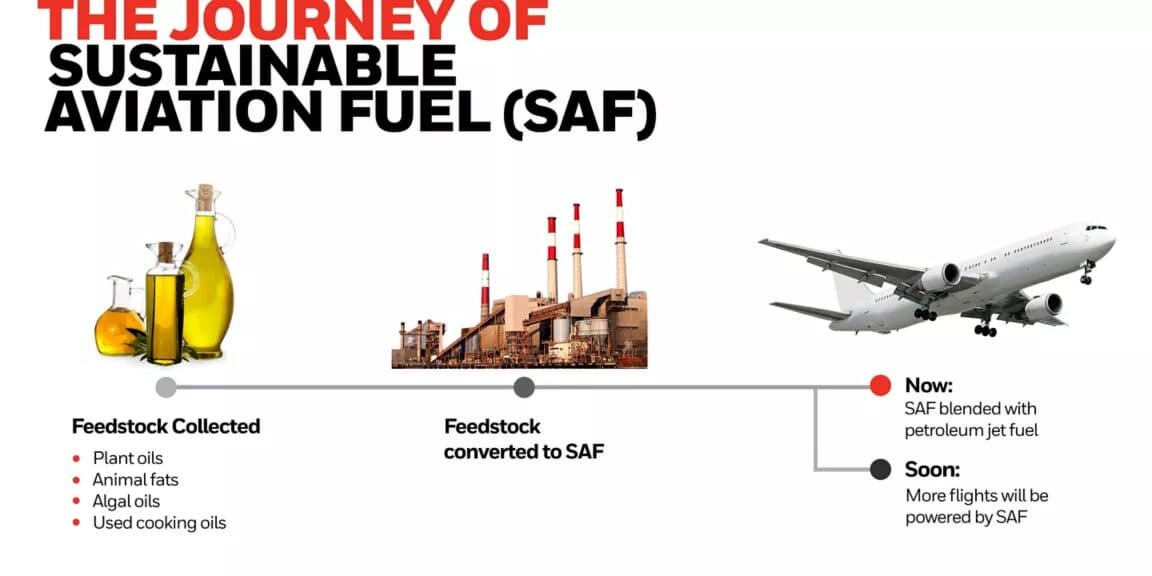
A useful program is ordinary and specific. Give the fryers a container sized to the oil they actually change. Keep a lid on it. Keep rain and wash water out. Book the pickup before the container is overflowing, not after someone has been topping it into a drain. Train the close to scrape plates and to strain the fryer into the right tank. Those steps cut the odor, the slips, and the surprise inspection. They also give the collector a load that a biofuel plant can use, which is the real second life of the oil. The kitchen does not make the fuel. It keeps the feedstock clean enough to sell.
The trap still needs its own calendar. A small under-sink box on a busy fry line can fill in days. A large outdoor tank lasts longer. The test is the depth of the floating cap plus the settled solids, not a slogan on a poster. When that layer is about a quarter of the water depth, the box is due. Pumping, scraping, and a check of the inlet and outlet are the service. A probiotic jug is not the service. GREASE.ORG schedules oil pickup and trap cleaning as separate visits because they are separate wastes.
What a sustainability claim can honestly say is narrow. The kitchen diverted used cooking oil from the sewer and from the trash. A collector took it. A later buyer turned suitable oil into biodiesel, renewable diesel, or another product. The claim cannot honestly say the restaurant produced a carbon score, a tax credit, or a certified fuel. Those numbers are calculated downstream, from the oil's history and from the fuel pathway. The kitchen's record is the pickup log and the trap manifest.
Start with the two containers and the two schedules. Label both. Show a new cook which lid is which. Then the environmental goal and the plumbing goal are the same goal: fat in the caddy, fat in the trap, and neither fat in the city main.