

Sustainable Aviation Fuels
Renewable jet fuel – sometimes known as sustainable aviation fuels – are low-carbon alternatives for the aviation industry. These non-petroleum drop-in aviation fuels are produced from bio-based feedstocks. The use of alternative aviation fuels, along with efficiencies in operations and aircraft design, is intended to reduce the industry’s share of greenhouse gas emissions and lower the overall climate impact of aviation.
Sustainable aviation fuel and kitchen grease
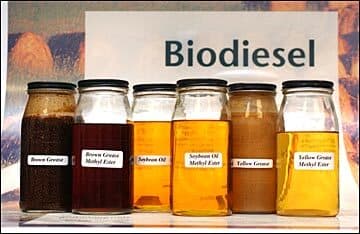
Sustainable aviation fuel is a jet fuel made from a non-petroleum feedstock and blended into the existing aircraft fuel system. The common path from a kitchen is hydroprocessed esters and fatty acids, usually called HEFA. Used cooking oil, animal fats, and other waste oils are heated with hydrogen. Oxygen leaves the molecule. What remains is a hydrocarbon that a refiner can treat as a drop-in blending component. That is a different process from biodiesel made as fatty acid methyl ester, which still contains oxygen and is blended into diesel at limited percentages. Renewable diesel for trucks is the closer cousin of HEFA jet fuel. Both are hydrotreated hydrocarbons. The cut of the distillation column is what makes one a diesel and one a jet blendstock.
A restaurant does not produce sustainable aviation fuel. It produces used cooking oil. The oil's value to a fuel plant depends on water, food solids, free fatty acids, and whether the load is vegetable oil or a mix with animal fat. Those are the same tests described on the waste-vegetable-oil page. A clean caddy is a feedstock. A caddy of wash water is a disposal problem. The carbon score of the finished fuel is calculated by the fuel producer under a government program. The kitchen does not assign that score, and a collector does not assign it on the dock.
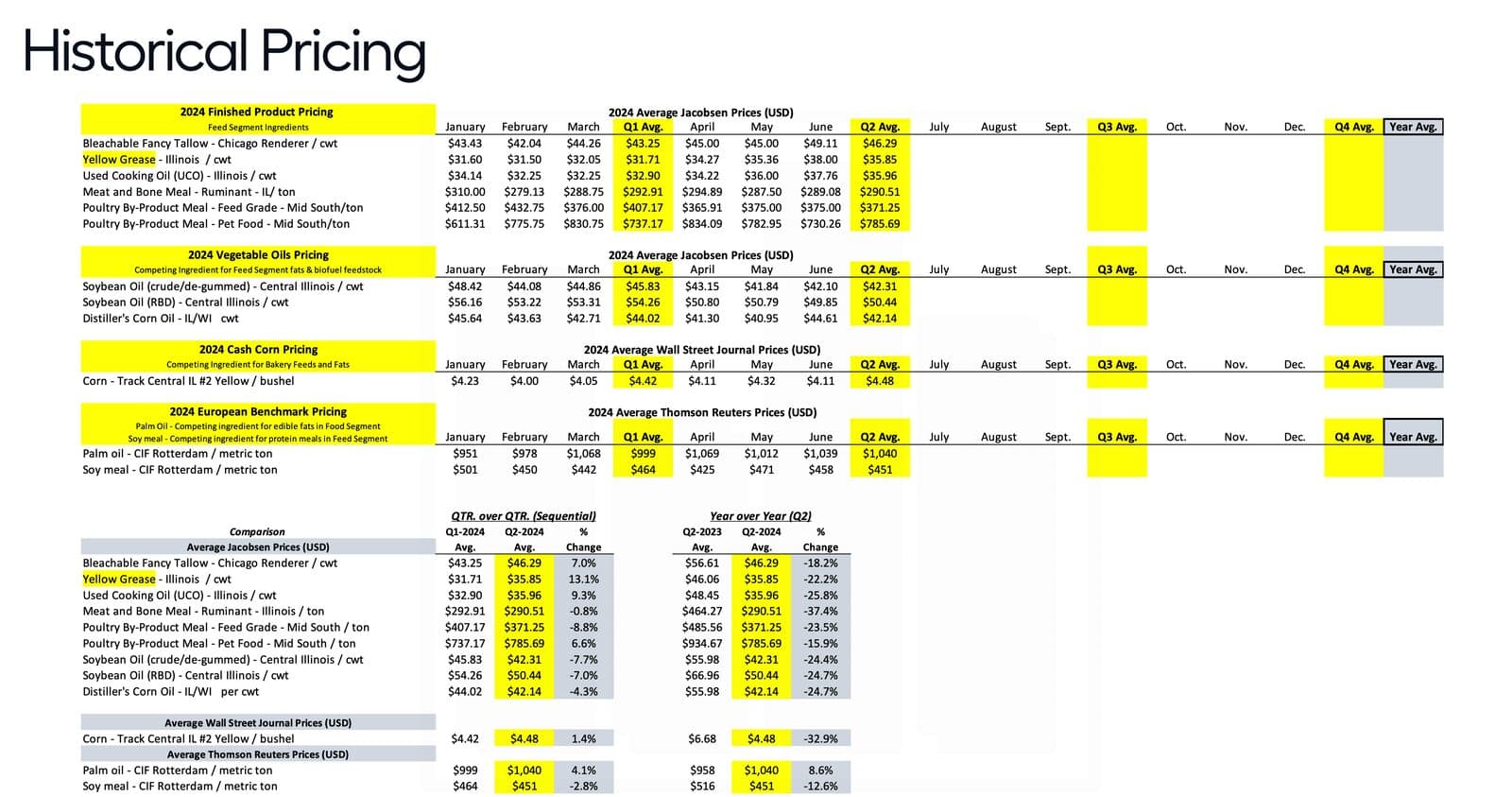
Policy is why the demand exists. Fuel standards and tax credits pay producers to displace petroleum jet fuel. When those programs favor waste oils over fresh vegetable oil, used cooking oil tightens and the yellow-grease price responds. The historical price page is a picture of that kind of move. It is not a promise that aviation demand will hold a number. Programs change. Freight and FFA still sit between a fryer and a wing.
Other aviation pathways use alcohol, sugars, or solid biomass. They do not run on trap grease or fryer oil, so they are outside this page. Brown grease from an interceptor can enter some fat-based fuel routes after heavy cleanup. It is a poorer feedstock than yellow grease. Do not store it in the cooking-oil tank in the hope that an airline will take it.
GREASE.ORG's role stops at the kitchen and the trap: pick up the used oil, pump the interceptor, and keep the two streams apart. The hydrotreater, the blend, and the fuel certificate belong to the fuel industry. If you are a kitchen, the useful action is a closed container, a dry load, and a pickup record. That record is what a later fuel claim has to be able to trace.