
Global Grease Economy & Grease Marketplace 2026 and Beyond
The drawing on this page is a map of the grease economy, not a price list. Grease on this site means two different trades that share a word. One trade collects fats, oils, and grease from kitchens and sells them as commodities. The other trade makes lubricating grease for machines. The infographic is about the first trade: where used cooking oil and trap grease go after they leave the kitchen, and who buys them.
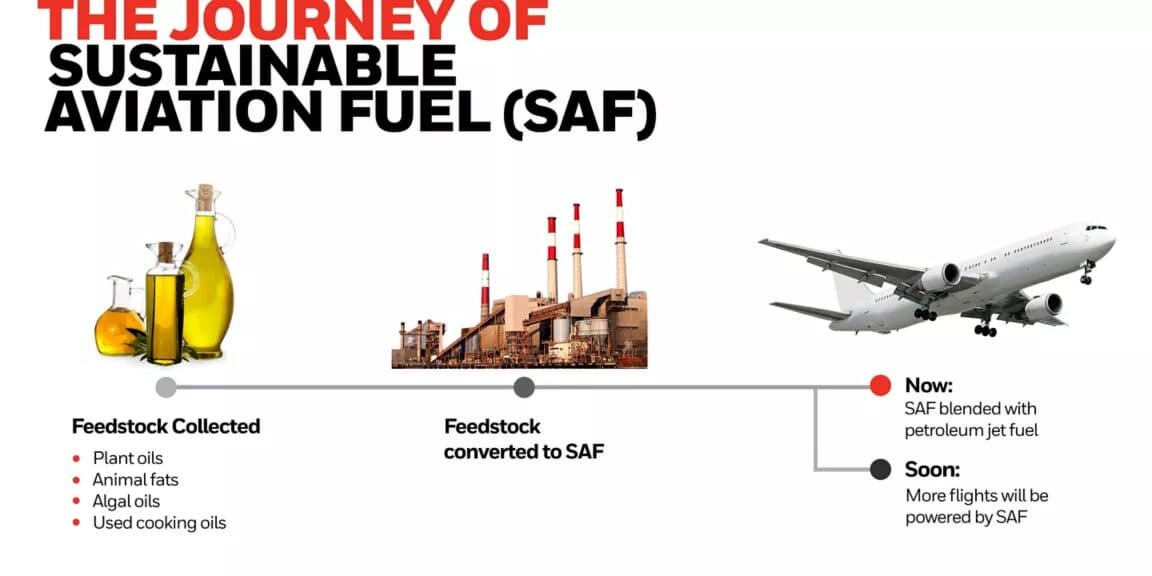
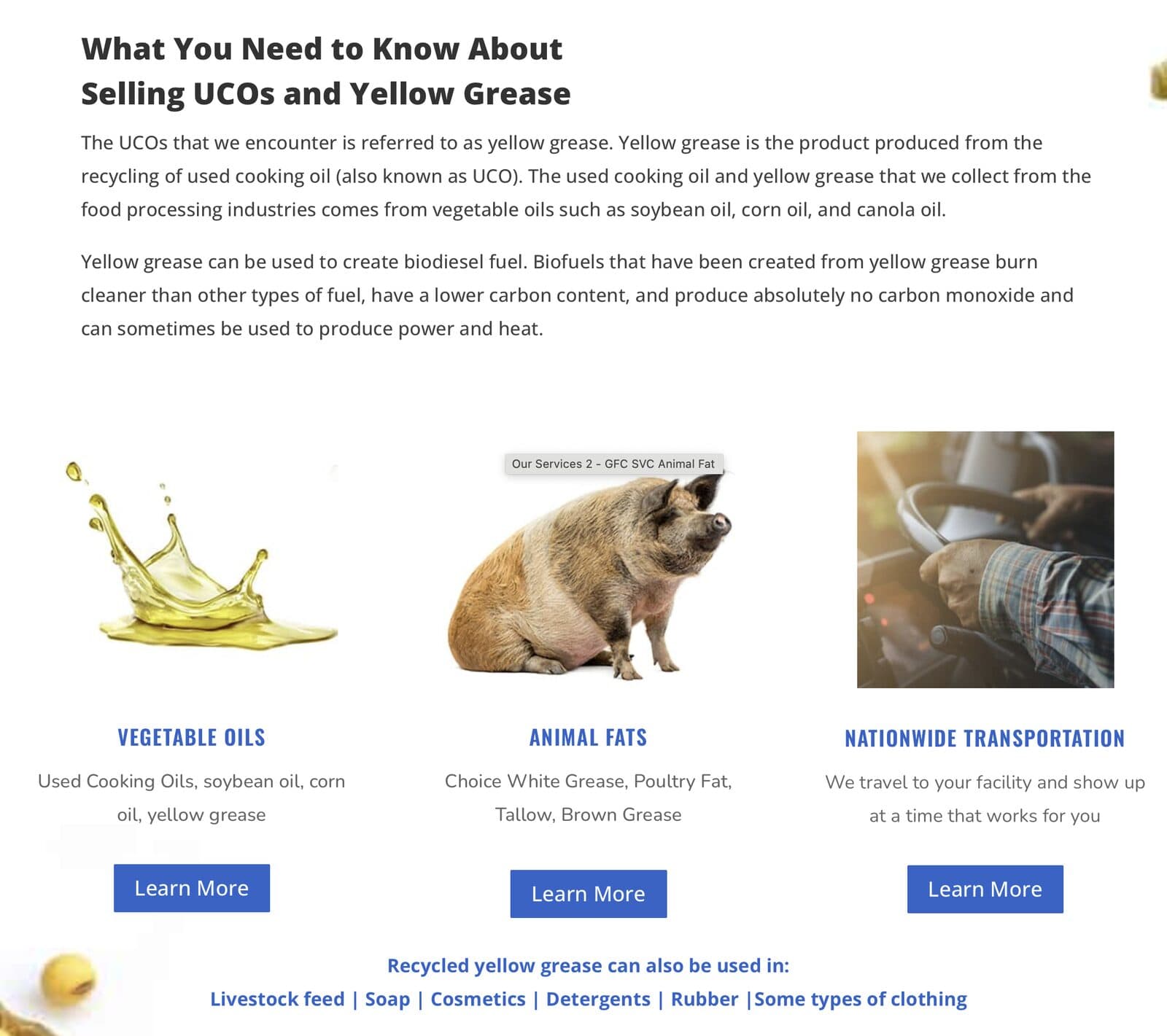
Used cooking oil from a fryer is pumped into a caddy or a tank behind the restaurant. A collector hauls it. If the load is mostly vegetable oil, low in water and food scraps, it is sold as yellow grease or simply as used cooking oil. Renderers and biofuel plants are the large buyers. Yellow grease also feeds animal-feed and oleochemical uses, depending on the specification and the local rules. The kitchen does not bottle biodiesel. It supplies the feedstock.
Grease that collects in an interceptor is a different material. It holds water, food solids, and detergents. After a pumper hauls it and a plant recovers the fat, the commodity is brown grease. Brown grease is a poorer feedstock than yellow grease. It can still go to certain biofuel processes, but it needs more cleanup. Pumping the trap is a plumbing and compliance job. Selling the recovered fat is a commodity job. GREASE.ORG treats them as related services, not as the same load.
Choice white grease sits on the animal-fat side of the same market. It is a defined grade of mostly pork fat, judged by hardness, color, free fatty acids, and moisture. It is not white lithium grease, and it is not the oil from a fryer. A chart that lists yellow grease and choice white grease side by side is comparing two commodities, usually in cents per hundredweight, not two lubricants.
Lubricating grease, the kind in a bearing, is manufactured from a base oil and a thickener. It is sold by the cartridge, the pail, and the drum to mechanics and plants. It does not come out of a kitchen interceptor. Putting both meanings on one drawing is useful only if the labels stay distinct. Follow the kitchen oil to yellow grease and biofuel. Follow the trap to brown grease. Follow the lubricant pages when the question is a bearing, a truck fitting, or an O-ring.
The picture is an illustration of that flow. It is not a quote, a contract, or a list of every buyer in the market. Prices move with feedstock quality, freight, and fuel policy. The pages linked from Lubricant Grease and from Cooking Oil Recycling are where each branch is explained in words.