
Grease Cleaning Tips
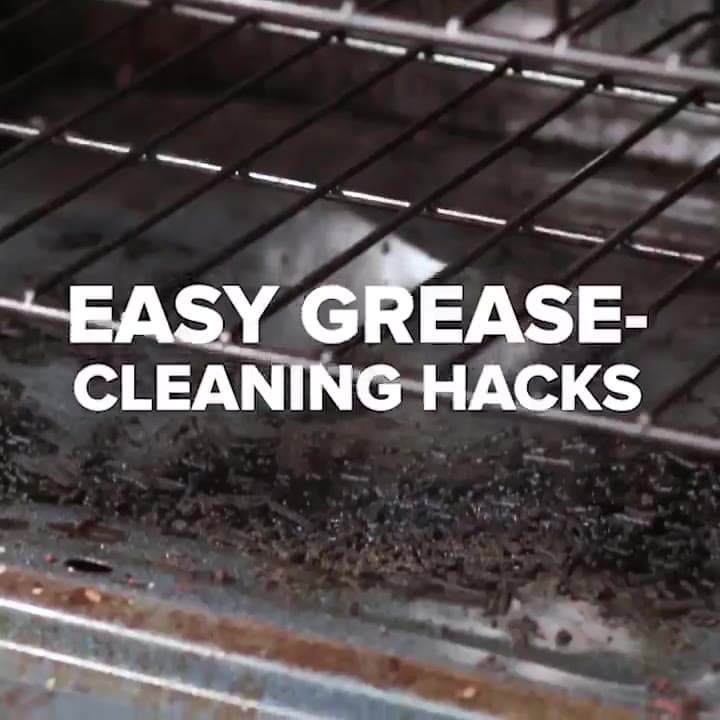
Kitchen grease cleaning is a short set of habits. The rules are simple, and they are the difference between a line that stays open and a trap that looks like the overloaded one on the extreme-grease-trap page. Grease in a kitchen is supposed to end up in two places only: the used-cooking-oil container, and the interceptor. It is not supposed to end up in a floor drain on purpose.
Scrape plates into the trash before they hit the sink. A prerinse station with a screen catches rice, bones, and fry batter that would otherwise sink in the interceptor and shorten the interval. Wipe fryer oil into the caddy with a funnel when the oil is warm, not into a sink of dishwater. Water in the oil tank lowers the value of the load. Oil in the sink fills the trap. Those are opposite mistakes, and busy nights produce both.
Keep the interceptor lid reachable. A box buried under a rubber mat or a prep table does not get pumped. Know whether yours is a small hydro-mechanical unit under the sink or a large gravity tank outside. The small box fills first. If the drain gurgles or the floor sink rises, the cap is already near the outlet. That is the time to book a pump-out, not the time to pour a degreaser through the sink. A degreaser that emulsifies grease can carry it through the trap and into the city main, which is the outcome the trap was installed to prevent.
After a pumping visit, the box should be empty, the walls scraped, and the inlet and outlet visible. Ask to see the outlet. A broken tee is a common reason a freshly pumped trap still sends grease downstream. Keep the manifest. A city fats, oils, and grease program will ask for it. Biological additives and probiotic jugs do not replace that record or that pump-out.
Hot water alone does not clean a line that is already restricted. It melts a little grease and moves the plug farther down. Mechanical cleaning, a jetter or a snake in the hands of someone who knows where the trap sits, is the fix for a line. The trap itself is a vacuum job. GREASE.ORG schedules both trap cleaning and kitchen-drain cleaning as services. The daily habit is the first step. The visit is what removes the material.
Label the cooking-oil caddy and keep the lid closed. Label the trap so a new dishwasher does not confuse them. Two containers, two schedules, and no fryer oil in the floor sink. That is the whole tip list.