
Grease Collection in China
The video on this page shows grease collection, the work of taking used cooking oil out of a kitchen and moving it into the commodity trade. China is part of that trade both as a place with an enormous food-service industry and as a buyer and processor of used cooking oil for fuel and for oleochemicals. The clip is a field record. It is not a map of every plant, and it is not a price.
Collection looks similar in most large cities. The kitchen cools the fryer oil and holds it in a closed caddy, a drum, or a tank. A driver pumps or pours it into a truck. Water, food scraps, and old batter are the defects a buyer cares about. A load that is mostly oil, with a known fryer history, becomes yellow grease or is sold as used cooking oil. A load cut with water or solids is discounted or rejected. Animal fat from a griddle changes the specification again, because some buyers want a vegetable-oil feedstock and some do not.
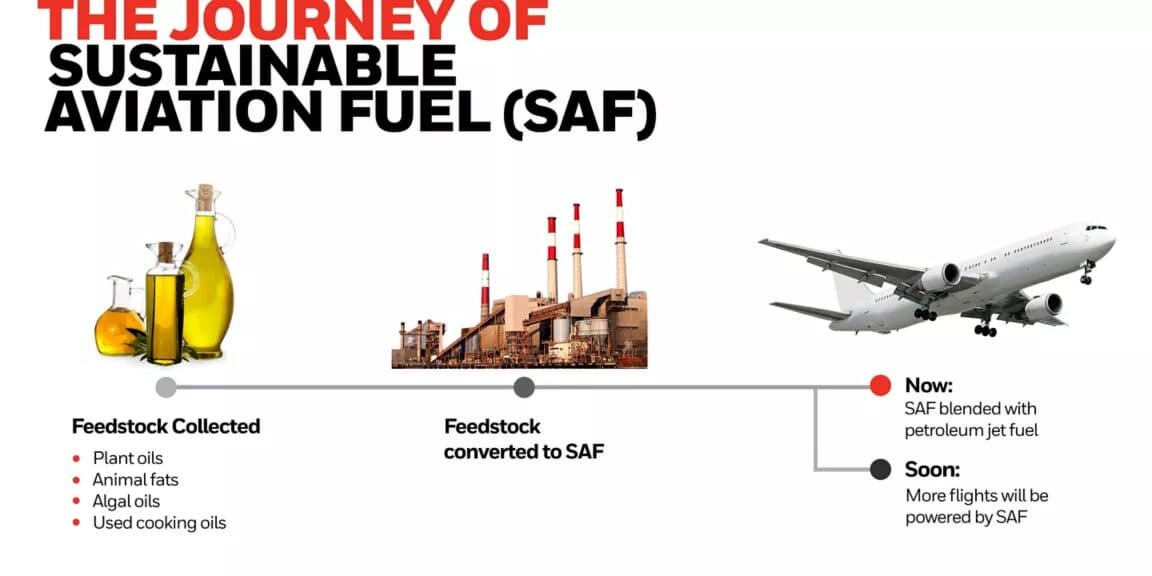
Used cooking oil is a feedstock, not a finished fuel. A biofuel plant, in China or elsewhere, hydrotreats fats and oils into renewable diesel or blends them into biodiesel. The kitchen's job ends at a clean container and an honest pickup. The plant's job is the chemistry. GREASE.ORG describes that handoff on the biofuel pages. The same physical work, a pump and a tank, is what a collector does in any country.
Trap grease is not what this video is about. An interceptor holds a water-and-fat mixture that has to be pumped as waste and then processed into brown grease. Mixing trap waste into a used-cooking-oil caddy ruins the yellow-grease load and can violate the kitchen's permit. Keep the two containers separate. Label them. A driver should not have to guess which tank is fryer oil and which tank is interceptor waste.
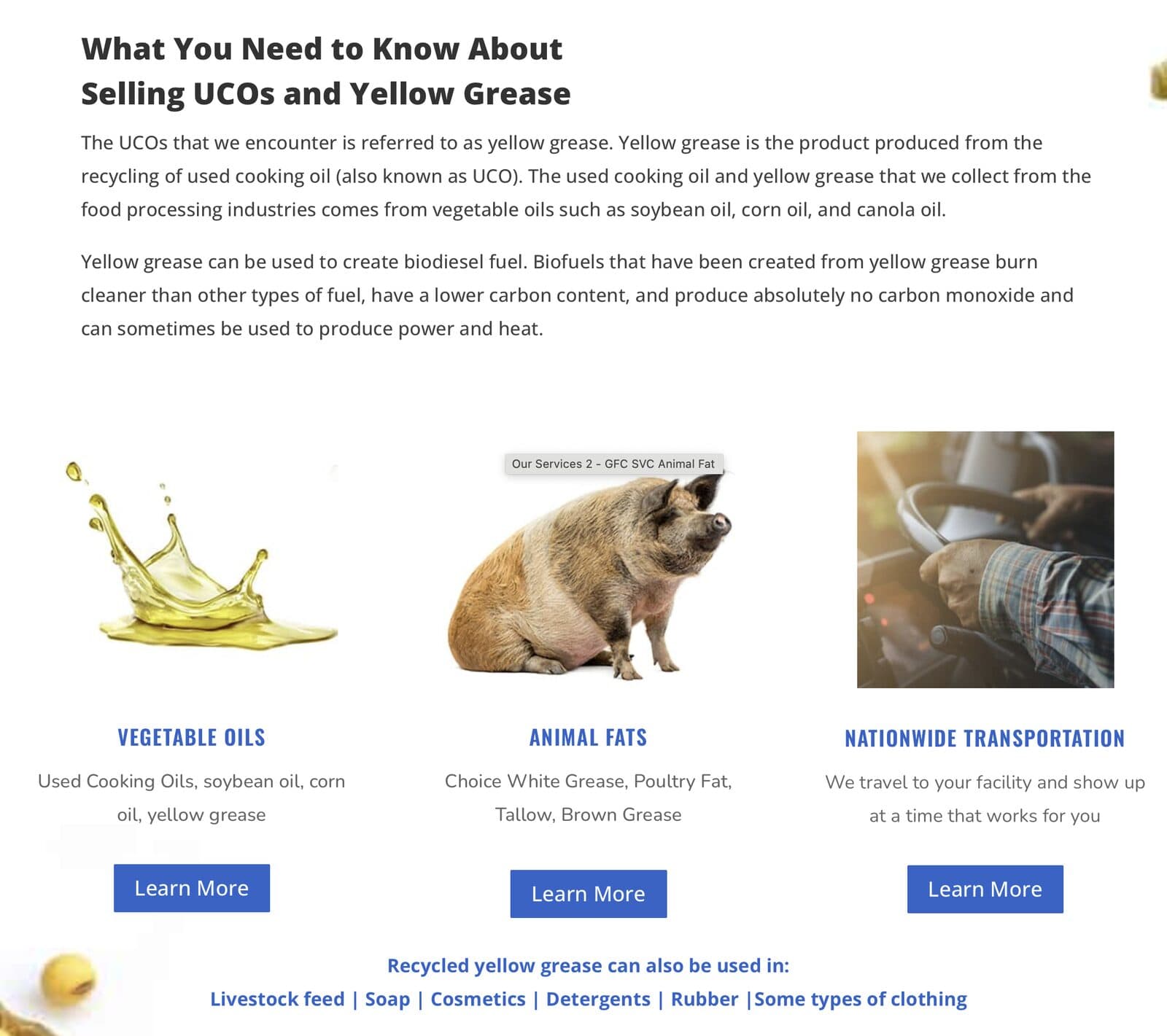
Rules on export, food safety, and fuel credits change by country and by year. This page does not state a quota or a tariff. It states the material: used cooking oil is a recovered kitchen fat, collected on a route, tested for water and free fatty acids, and sold into feed, oleochemical, or fuel markets. The video is the picture of that route. The cooking-oil and yellow-grease pages are the written account of what the oil becomes after the truck leaves.
If you operate a kitchen, the practical standard is the same wherever the truck is registered. Cool the oil, keep the lid on, keep water out, and book the pickup before the caddy overflows. That is the whole of the kitchen's side of the grease trade.