
Extreme Grease Trap
An overloaded grease trap
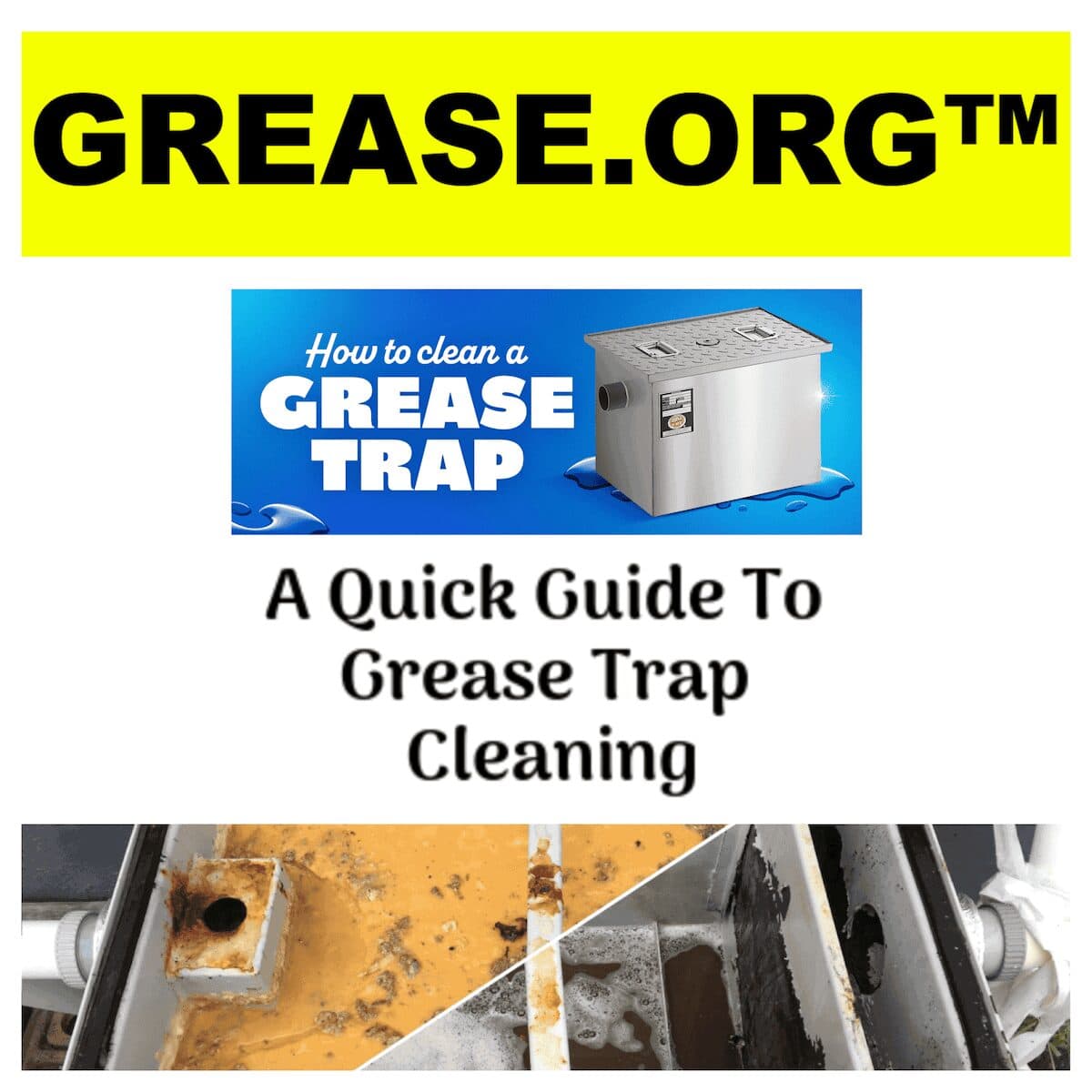
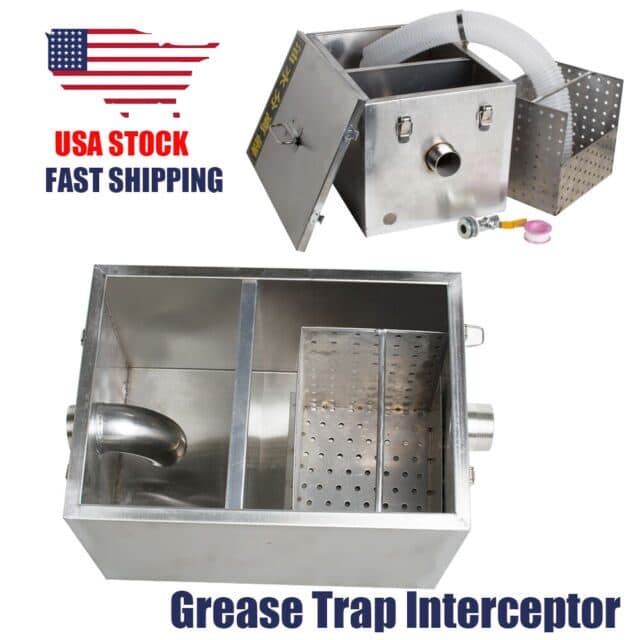
The video shows a grease trap that has gone too long without a pump-out. An interceptor is a box in the kitchen drain. It slows the water so fats, oils, and grease float, and so food solids sink. When the floating cap and the sludge layer meet, new wastewater shoots straight through to the sewer. That is the failure in the clip. The trap is still in the line. It has simply filled with the material it was built to hold.
A normal visit pumps the contents out, scrapes the walls and the baffles, washes the box, and checks the inlet and the outlet. The outlet tee is the part that keeps the floating grease inside. If it is broken or buried, grease leaves with every sink of water. A trap can also fail because the kitchen has no strainer, because someone poured fryer oil into a floor sink, or because the service interval was copied from a quieter restaurant. A high-volume fryer fills a small under-sink box in days, not months.
Extreme, on this page, means the cap is thick, the smell is strong, and the drain is slow. It does not mean a special chemical is required. Enzymes and probiotic doses are sold as a way to digest that cap in place. They do not vacuum out the solids, they do not repair a broken baffle, and they do not satisfy a city that expects a pumped interceptor and a manifest. GREASE.ORG treats pumping, wall cleaning, and a pipe check as the visit. A biological product is not a substitute for that visit.
Leaving a trap in this condition is how a kitchen gets a backup, a failed inspection, or a bill from the sewer agency. The grease that escapes cools in the city main and becomes the hard deposit associated with fats, oils, and grease. The kitchen still owns the box. The city owns the main. Both sides of that line are why the interval matters.
If a trap looks like the one in the video, schedule a pump-out before you add any treatment. Tell the technician whether the box is under the sink or in the ground, and whether the inlet has been backing up. After the box is empty, look at the outlet with a light. A clean outlet and a written service record are the result that matters. The next interval should be short enough that the cap never reaches the outlet again.
Fryer oil belongs in the used-cooking-oil caddy, not in this box. Trap waste and yellow grease are different commodities. Mixing them makes the oil harder to sell and makes the trap fill faster. Keep those two wastes on two schedules.